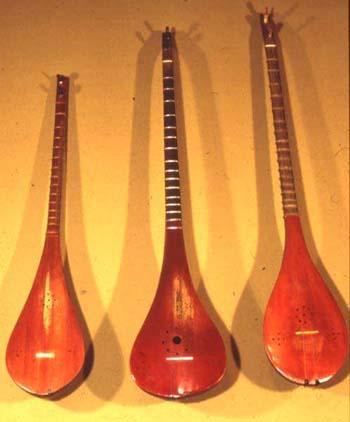
Uzbek ethnic group
The name has not yet been determined, and we are waiting for partners to bring the project to life.
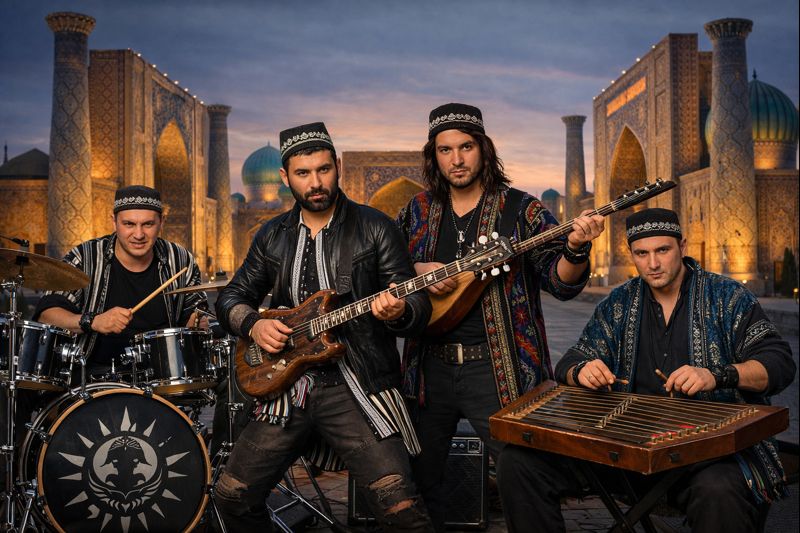
This will be an ethno-rock band singing in the Uzbek language, playing newly created electronic instruments of the Uzbek people in the future, along with modern percussion instruments.
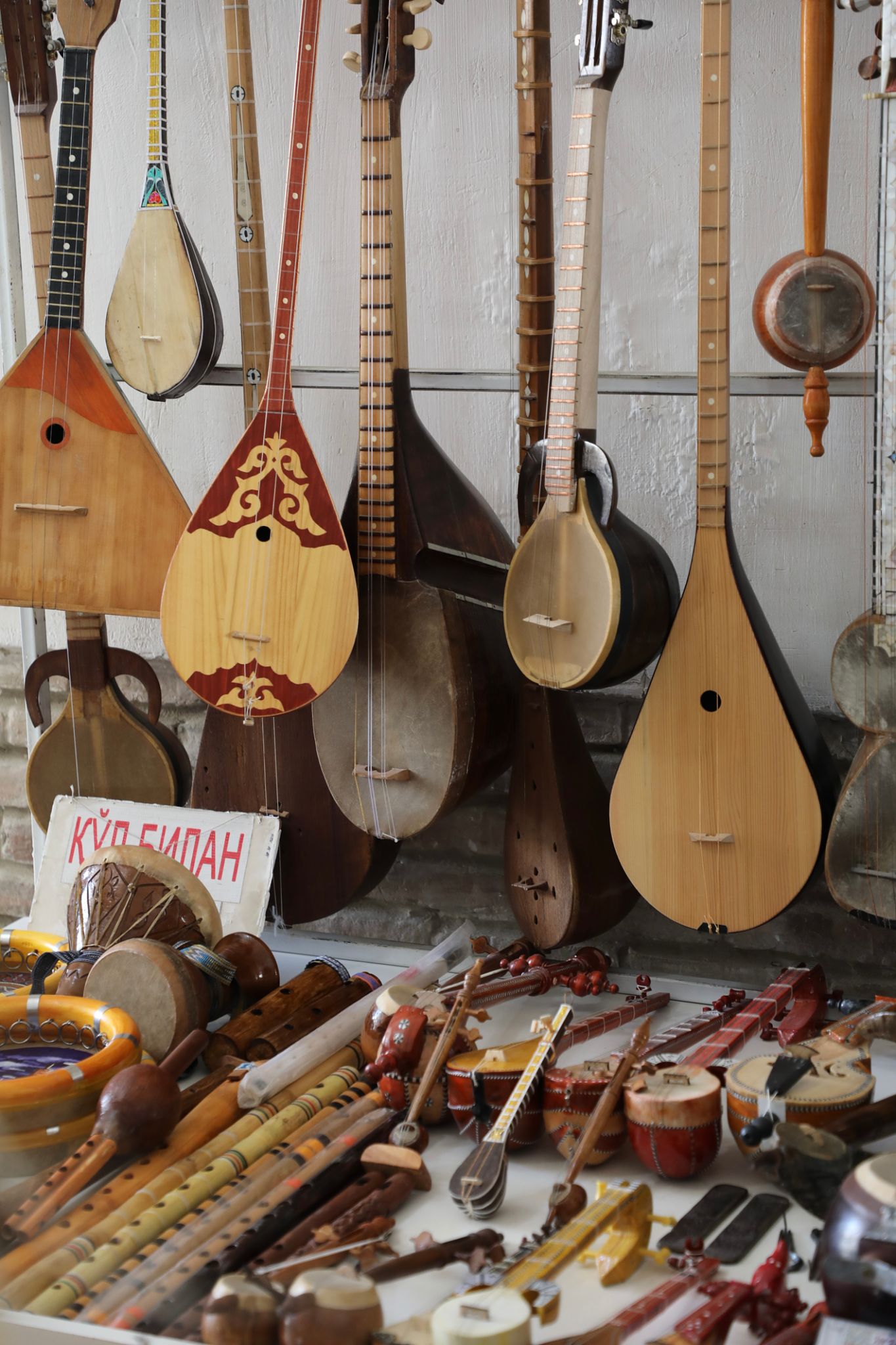
Some of Uzbek national instruments:
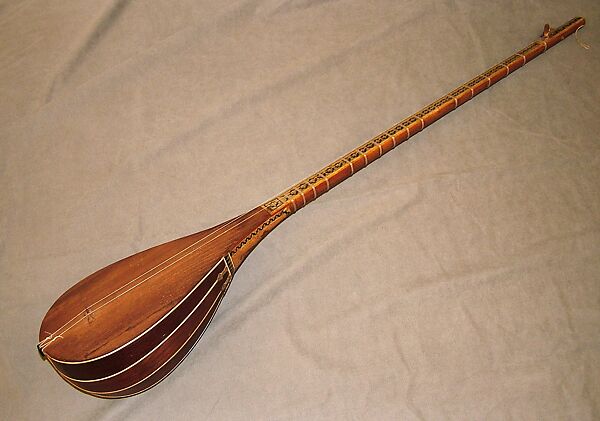
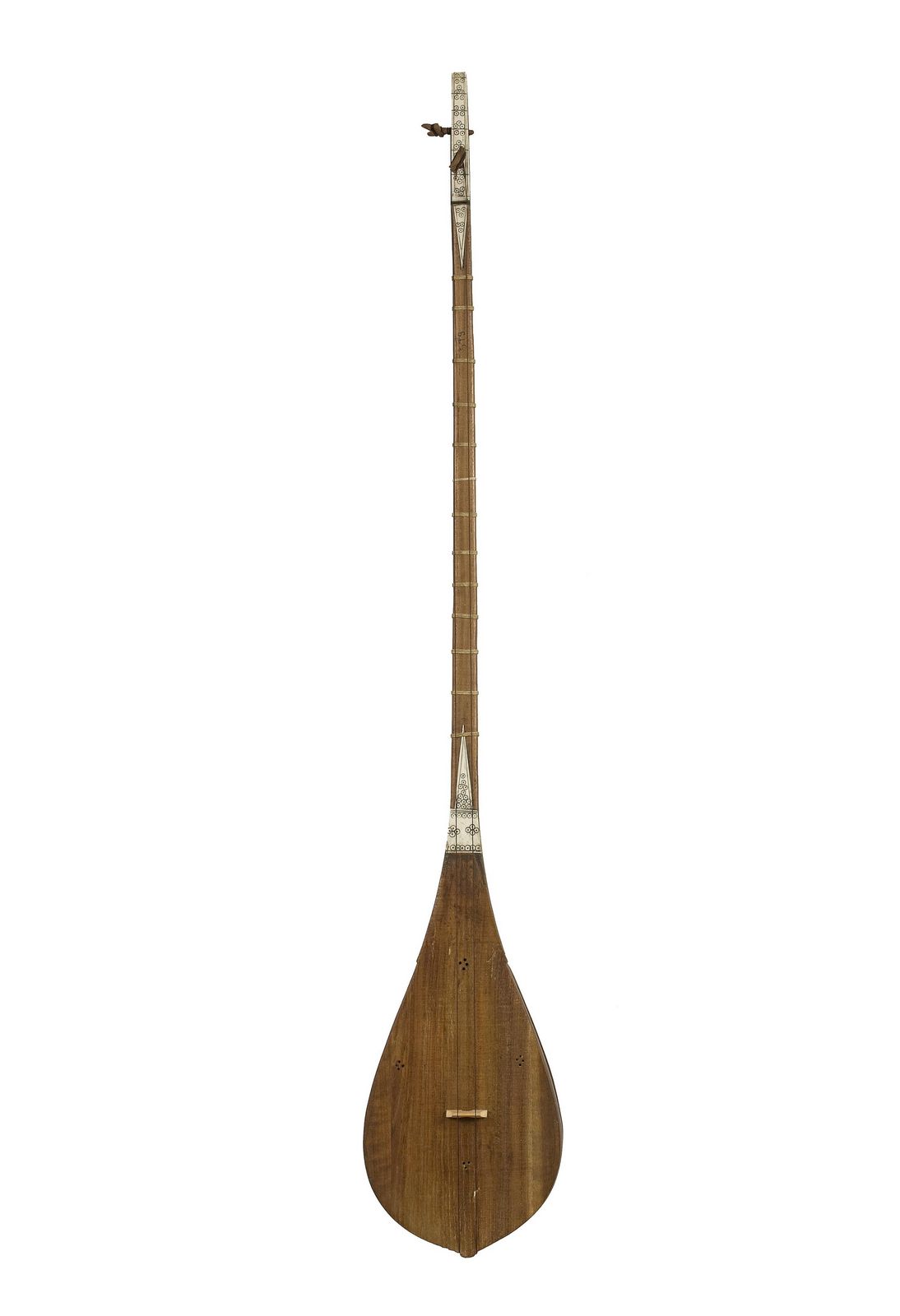
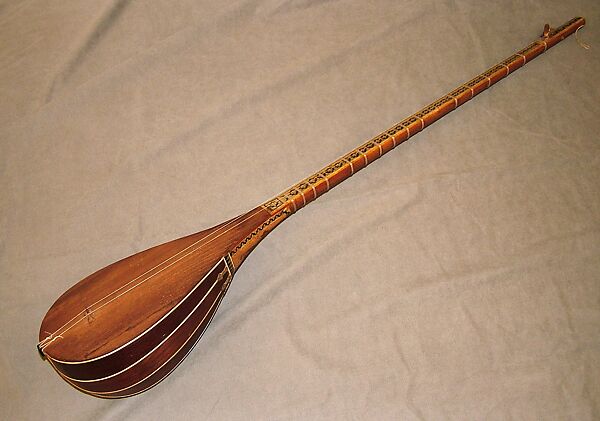
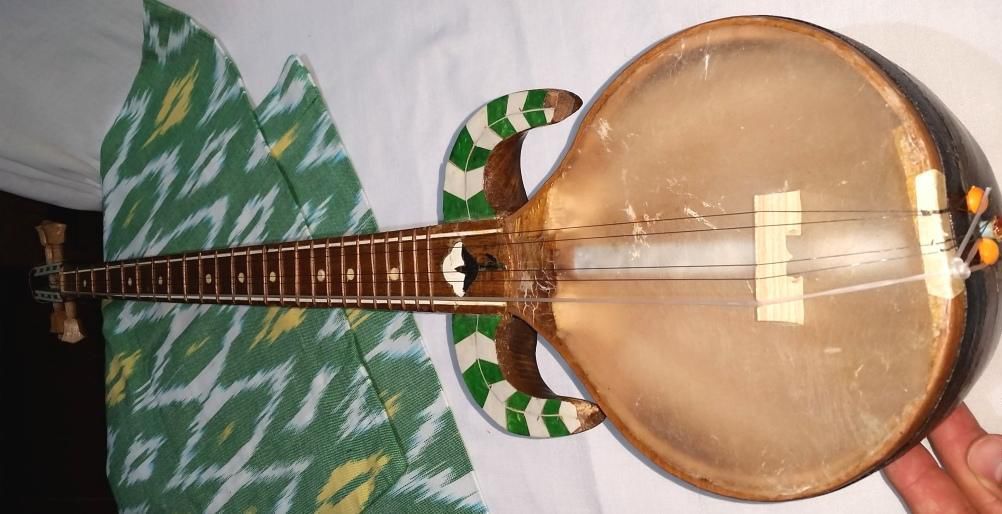
Dutar
Dutar is a long-necked plucked string instrument with two strings (the name literally means “two strings”). It is a classical plucked string instrument of Central Asia and is especially widespread among Uzbeks. It has a wooden body and a long, thin neck. The musician produces sound by plucking or fingerpicking the strings.
Character: soft, melodic, and expressive tone. It is often used in traditional music and as accompaniment for vocal performances.
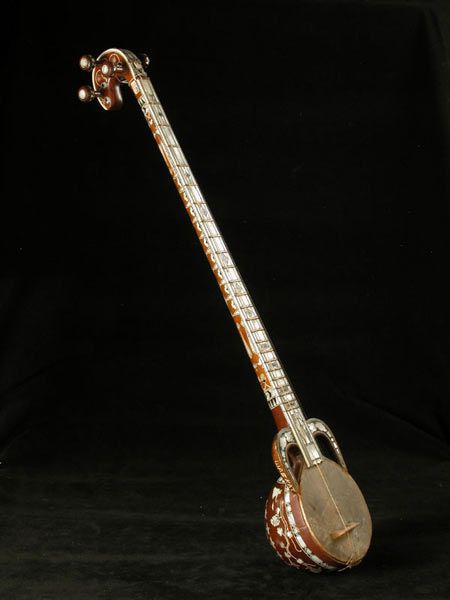
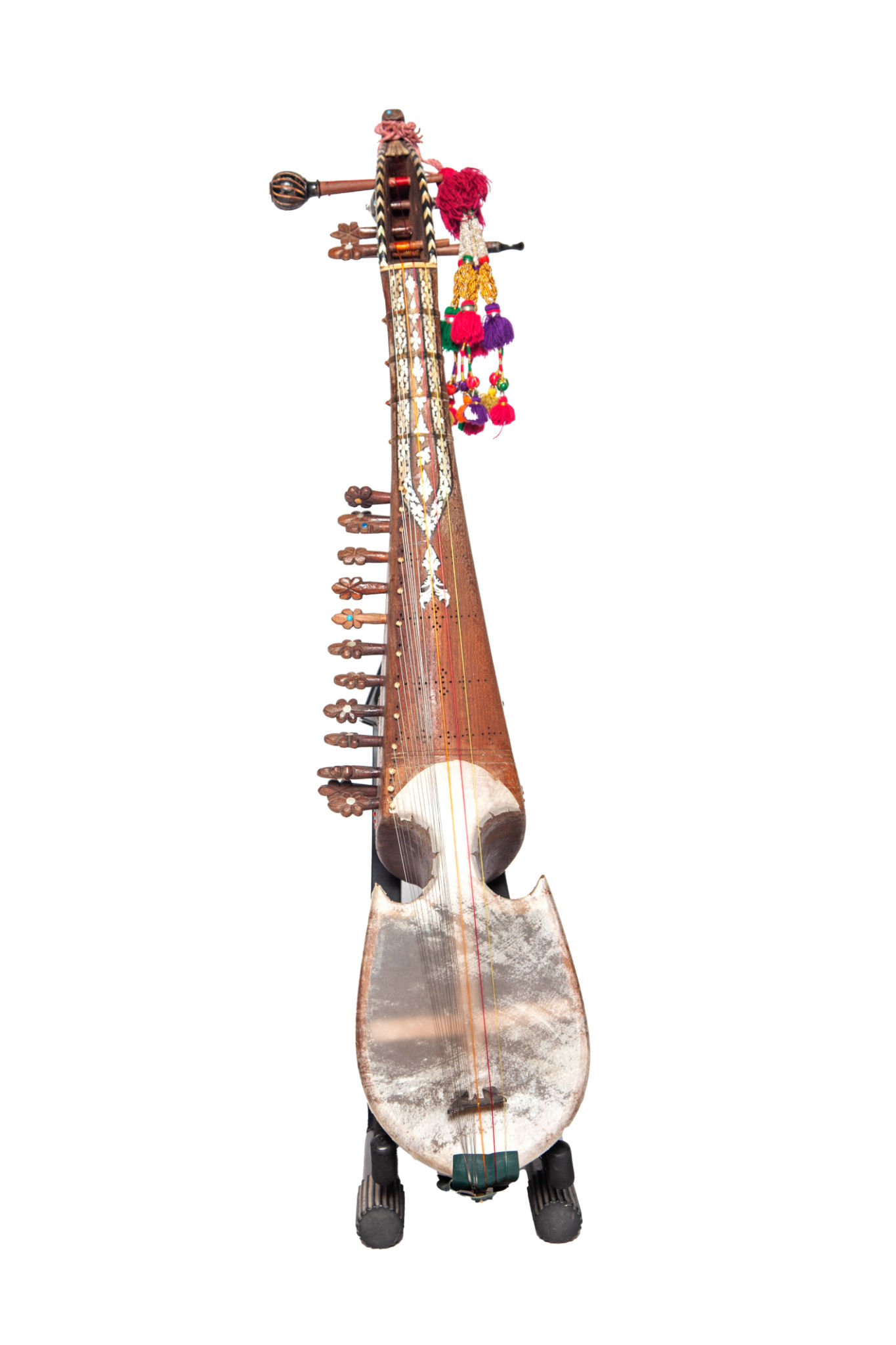
Rubab
Rubab is an ancient plucked string instrument, related to the lute, with a short neck and a rounded body. In the Uzbek musical tradition, it usually has several main melodic strings and sometimes additional sympathetic strings, producing a bright and rich sound. The playing technique is plucking, using a plectrum or fingers. It is often performed solo or as part of an ensemble.
Sato
Sato is a rare traditional bowed instrument, a type of long-necked lute with several strings—usually one melodic string and several sympathetic strings. Its sound is soft and sustained, and it is used in the traditional musical practice of Shashmaqom.
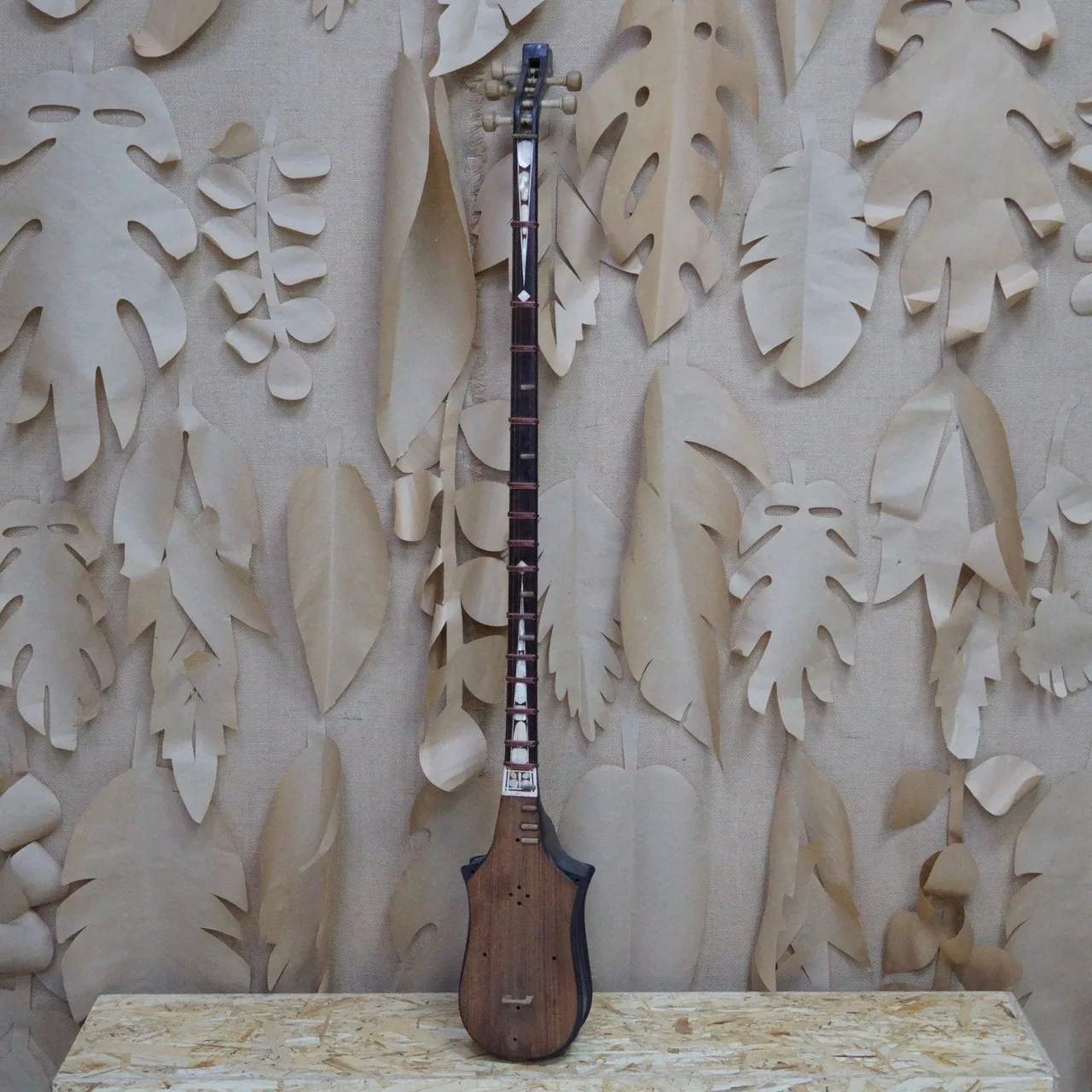
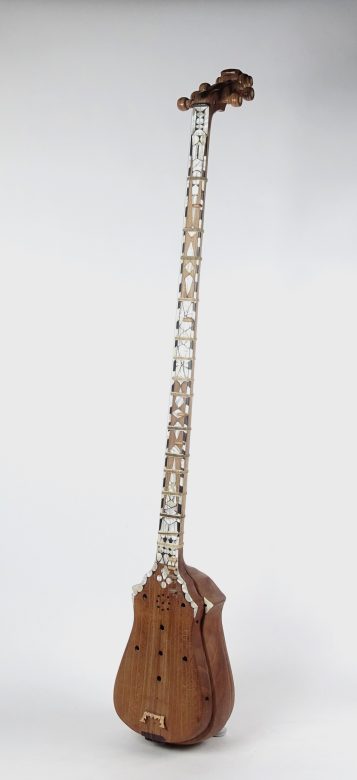
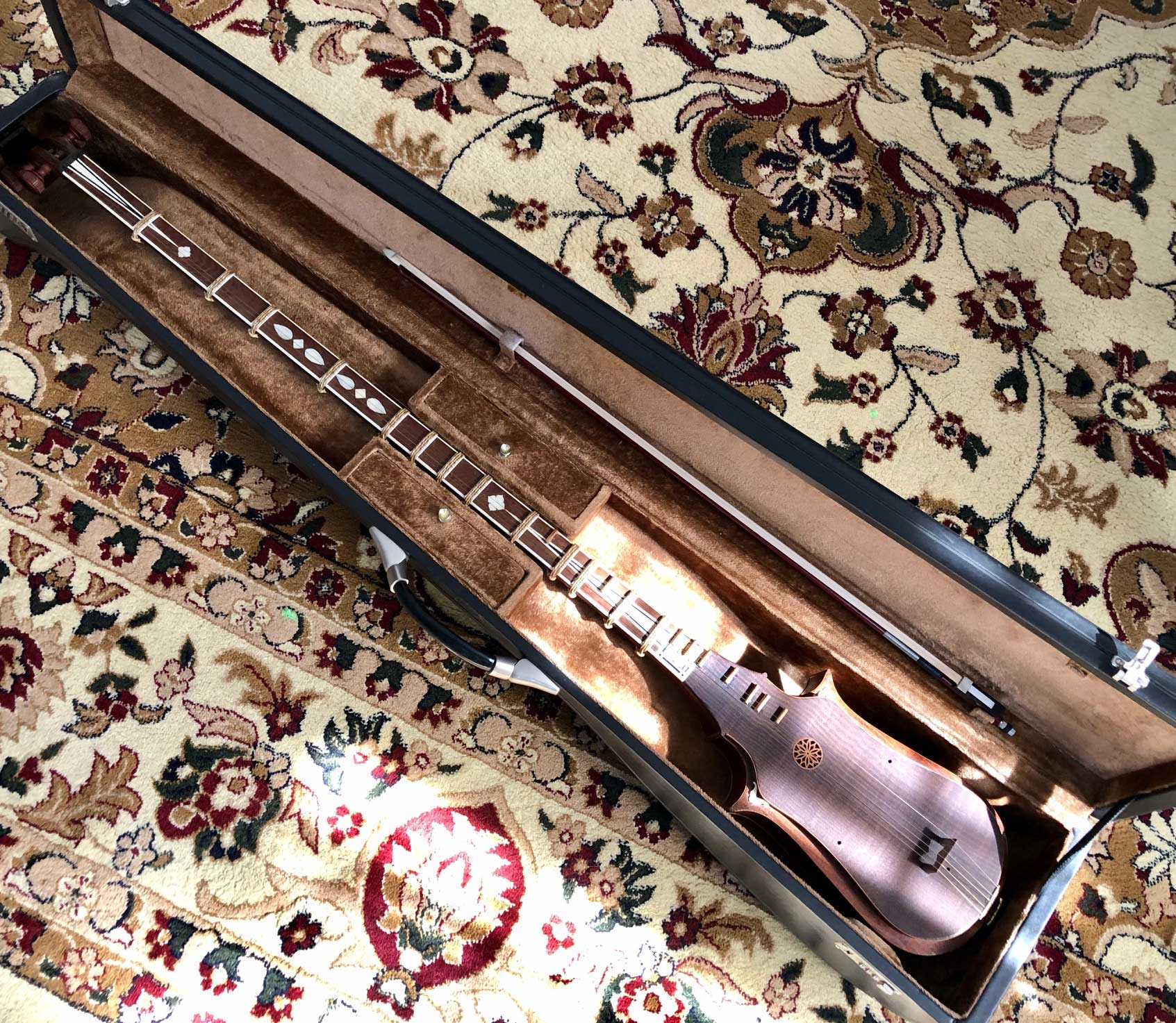
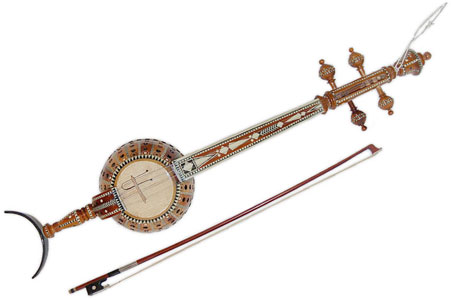
Gijjak
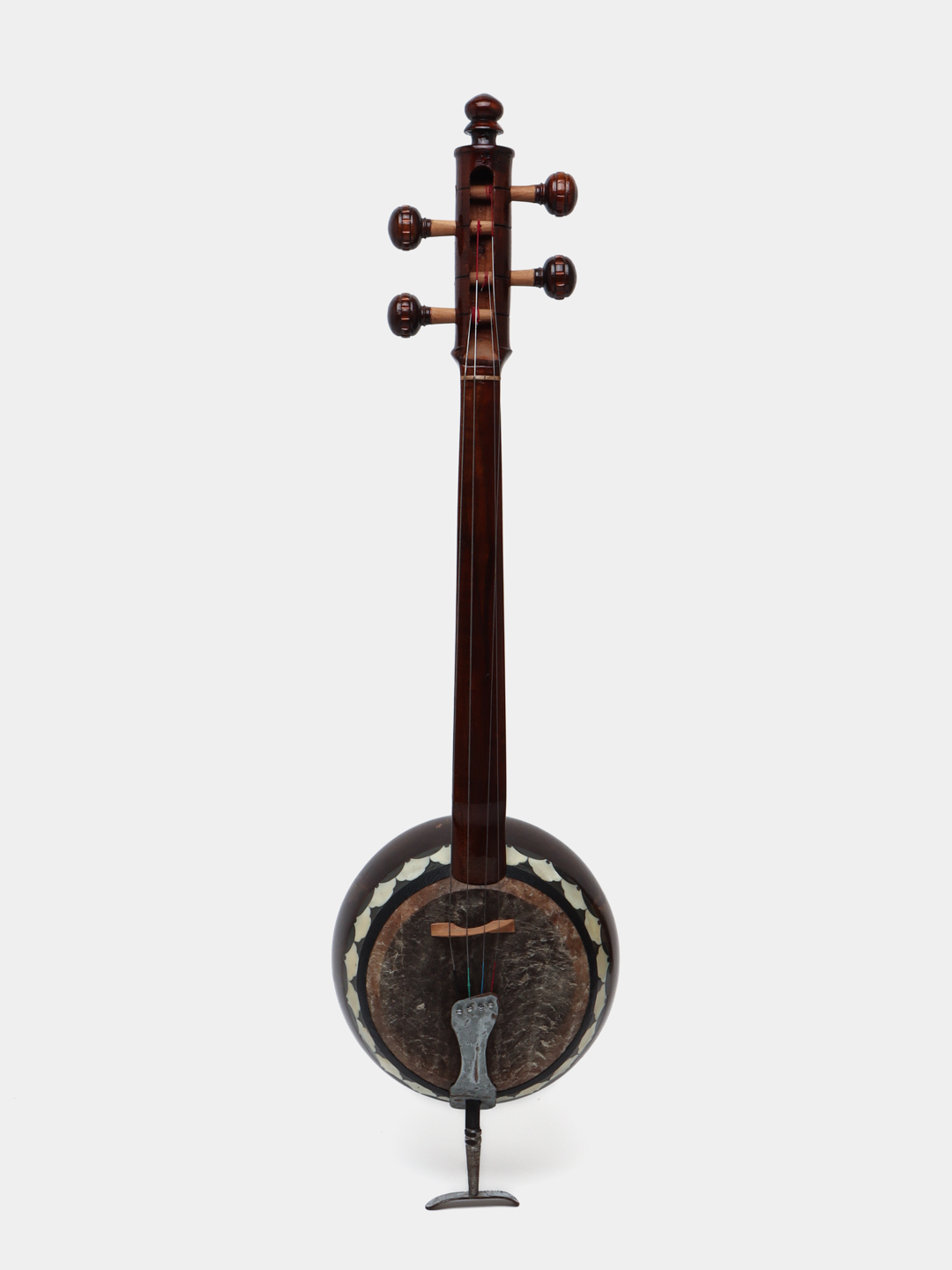
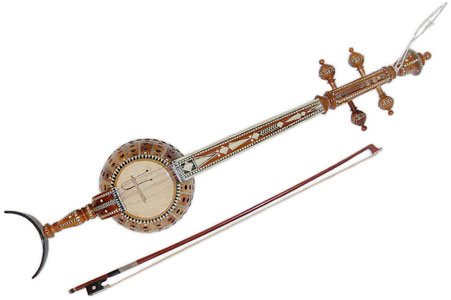
Gijak is a bowed string instrument, somewhat resembling a cello or a bowed version of the rebab in shape. It often has a rounded body, and the sound is produced using a bow.
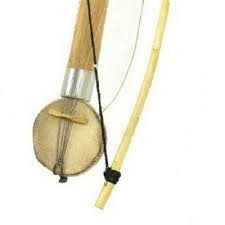
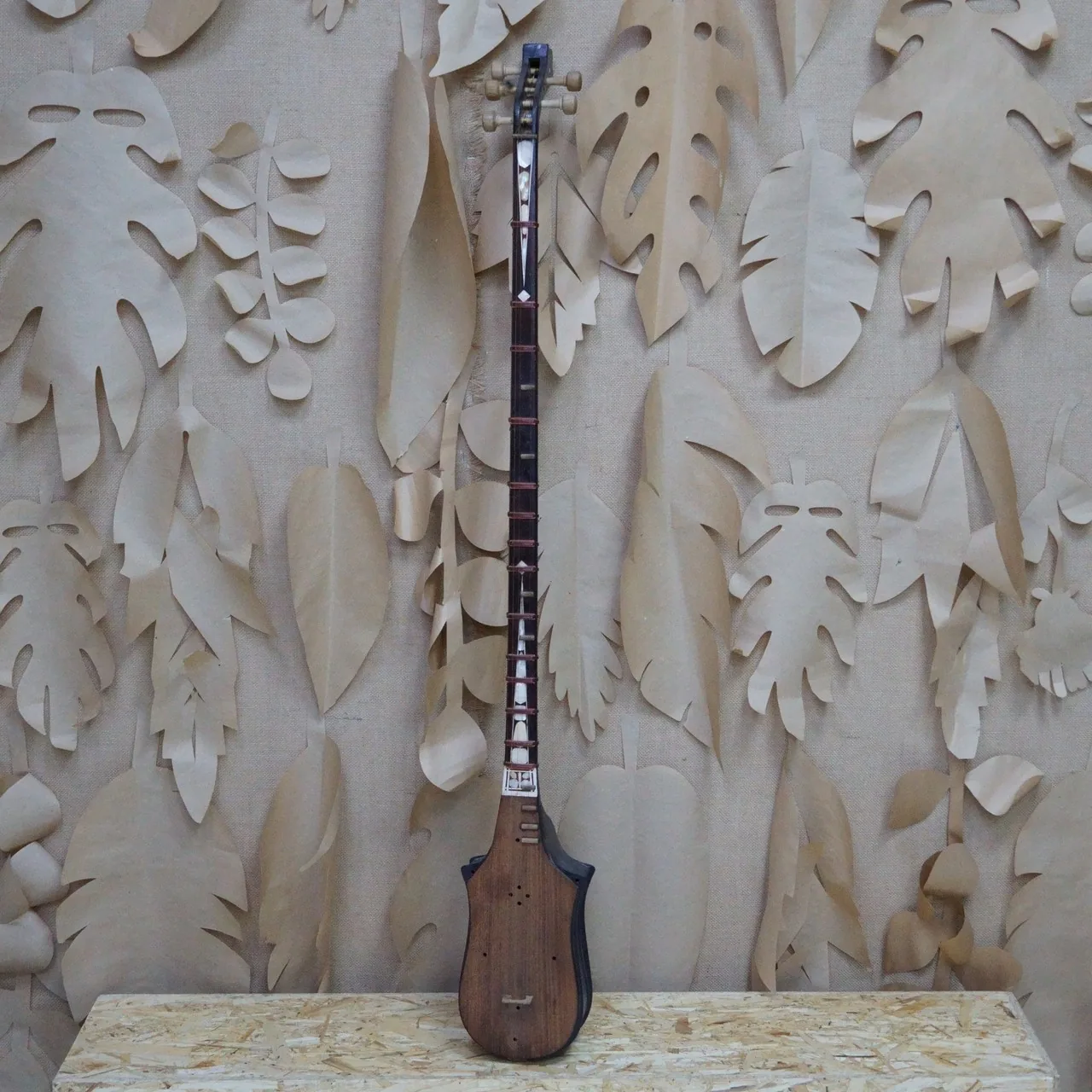
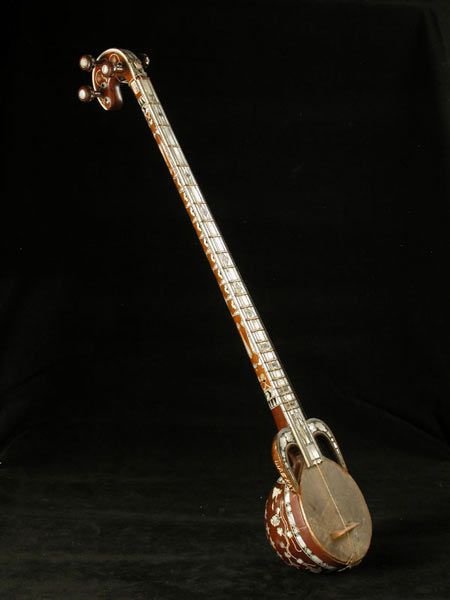
Tanbur
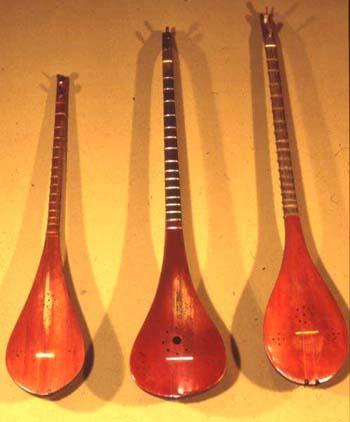
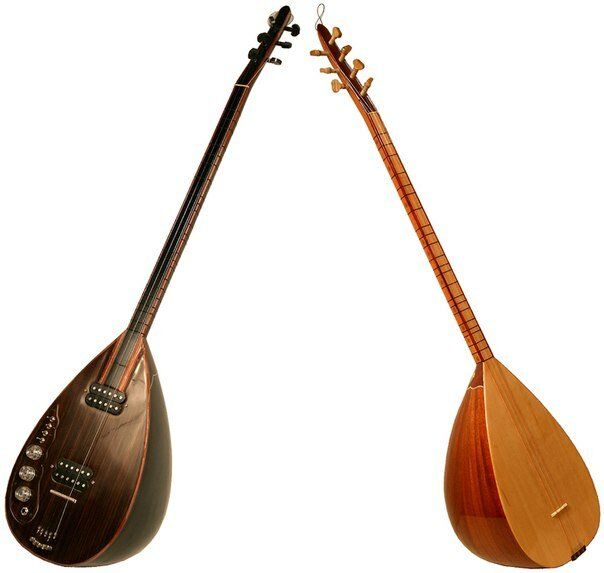
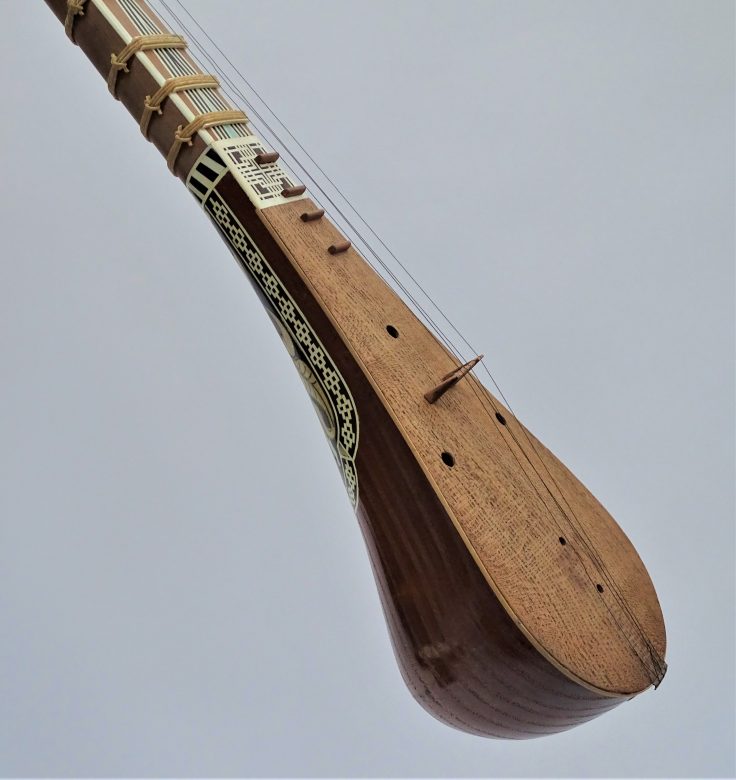
Tanbur is a traditional long-necked plucked lute with a large number of frets and strings. It has a deep, rich timbre and is often used in classical and folk music.
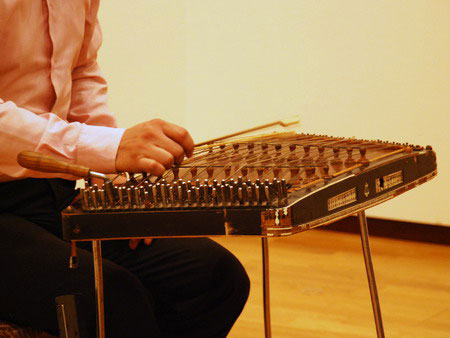
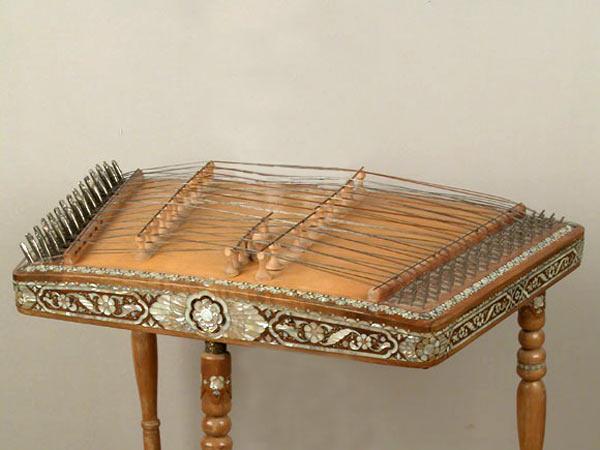
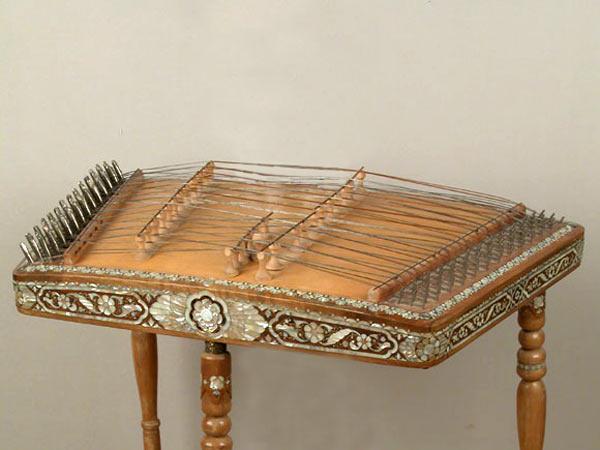
Chang
Chang is an ancient string instrument of the dulcimer type, where sound is produced by striking the strings with small hammers or sticks. In the Uzbek musical tradition, it has a bright and ringing timbre.